
Why Botanical Extracts Curb Cravings for Weight Loss?

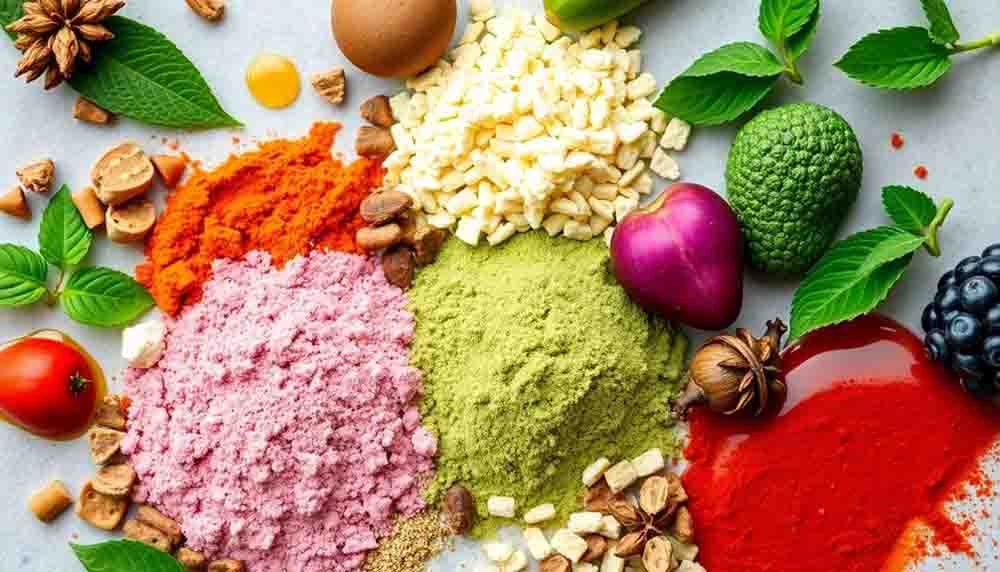
Curbing those pesky cravings is no easy feat, but nature's botanical bounty may hold the key. Select plant extracts can help you lose weight. They do this by influencing appetite-regulating hormones and enhancing feelings of satiety. Bitter hop can elevate fullness-signaling peptides. Gymnema sylvestre impairs glucose absorption. These natural compounds work together to change your eating habits. Intrigued? The science behind their appetite-suppressing power may be the key to your weight management puzzle.
Key Takeaways
- Botanical extracts like bitter hop activate gut hormones (GLP-1, cholecystokinin, peptide YY) that reduce hunger and promote feelings of fullness.
- Certain phytochemicals in botanical extracts stimulate taste receptors, enhancing satiety and reducing cravings, potentially leading to decreased food intake.
- Caralluma fimbriata and other botanical extracts with appetite-suppressing abilities may aid in reducing calorie intake and potentially contribute to a reduction in waist circumference.
- Caffeine can act as an appetite suppressant by increasing metabolic rate, promoting calorie burning, and delaying gastric emptying, helping with portion control.
- Fiber-rich botanical extracts like glucomannan and fenugreek can enhance feelings of fullness by slowing gastric emptying and influencing fullness hormone signals.

Physiological Mechanisms of Appetite Suppression
Botanical extracts, like bitter hop extract, work by activating anorexigenic gut hormones such as glucagon-like peptide-1, cholecystokinin, and peptide YY, which help reduce your hunger and promote feelings of fullness.
These extracts can influence gastric emptying rates, leading to a slower release of food from your stomach into the intestine, ultimately contributing to prolonged satiety.
Certain phytochemicals in plants may also stimulate taste receptors, signaling your brain to increase feelings of satiety and decrease cravings for food.
Studies have indicated that supplementation with herbal extracts can lead to significant reductions in your food intake, up to 14% using a bitter extract, making it a useful appetite suppressant co-therapy.
Garcinia Cambogia: Risks and Considerations
Garcinia cambogia may pose a risk of liver injury, and genetic factors could make some individuals more susceptible to adverse reactions.
While the supplement shows potential benefits for weight loss, you'll want to consult a healthcare professional before using it, as the interactions and safety profile aren't fully understood.
Liver Injury Concerns
Although touted as a weight loss aid, Garcinia cambogia has raised significant health concerns. The supplement has been linked to 22 cases of liver injury, particularly in individuals aged 17 to 54. The onset of liver problems ranged from 13 to 223 days, with a median of 51 days after consumption.
Worryingly, 91% of affected patients required hospitalization, and one fatality and one liver transplant were reported. Additionally, a genetic predisposition, the HLA-B*35:01 allele, was found in 55% of affected patients, suggesting heightened risks for certain individuals.
Before considering Garcinia cambogia, it's essential to consult your healthcare provider and weigh the potential benefits against the substantial liver injury concerns.
Genetic Predispositions
Your genetic makeup may play an important role in how your body responds to Garcinia cambogia. Individuals with the HLA-B*35:01 allele have a higher incidence of adverse effects, comprising 55% of affected patients. Additionally, the diverse age range of those impacted, from 17 to 54 years old, highlights the wide-reaching potential for harm. Onset of liver injury can also vary considerably, with a median of 51 days post-exposure, indicating delayed reactions. Hospitalization rates reach 91%, with one case resulting in mortality and another requiring a liver transplant. Understanding your genetic predispositions is vital when considering Garcinia cambogia for weight loss.
| Genetic Factor | Increased Risk | Timeframe |
|---|---|---|
| HLA-B*35:01 allele | 55% of affected patients | – |
| Age range | 17 to 54 years old | – |
| Onset of liver injury | – | Median of 51 days |
| Hospitalization rate | 91% | – |
| Outcomes | Mortality, liver transplant | – |
Careful Monitoring Required
Given the potential risks associated with Garcinia cambogia, careful monitoring is essential when considering its use.
While this botanical extract may offer weight loss benefits, it's vital to be aware of the possible side effects.
When using Garcinia cambogia, keep these considerations in mind:
- Closely monitor liver function and watch for signs of liver injury, such as abdominal pain or jaundice.
- Be cautious if you have a genetic predisposition to liver problems, as the risk may be higher.
- Discontinue use immediately if any adverse effects arise, and consult a healthcare professional.
- Discuss the potential risks and benefits with your doctor before starting Garcinia cambogia supplements.

Gymnema Sylvestre: Anti-Obesity Properties
Gymnema sylvestre's ability to regulate glucose levels and curb cravings makes it a promising natural solution for managing obesity.
By suppressing appetite and potentially influencing metabolic pathways, this herb may not only aid in weight loss, but also help prevent the health risks associated with being overweight.
While more extensive human studies are still needed, the existing research suggests Gymnema sylvestre could be a valuable tool in your weight management toolkit.
Glucose Regulation Mechanism
If you're interested in the glucose regulation mechanism of Gymnema sylvestre and its potential anti-obesity properties, you'll be pleased to know that this botanical extract is known to inhibit the absorption of glucose in the intestines.
This may help regulate blood sugar levels and reduce cravings for sugary foods.
Gymnema sylvestre has also been shown to:
- Lower blood lipid levels, contributing to its anti-obesity effects.
- Reduce the sensation of sweetness, leading to decreased desire for sugary snacks and beverages.
- Result in reduced body mass index (BMI) and cholesterol levels in animal studies.
- Show promise as a beneficial adjunct in weight loss regimens focused on regulating glucose and curbing cravings.
Impacts Obesity Management
Although traditionally used in India for managing diabetes, Gymnema sylvestre has also demonstrated promising anti-obesity properties.
Research on rats suggests this botanical extract can reduce cholesterol and body mass index, potentially by modulating metabolism and influencing insulin levels. Its active compounds may contribute to its anti-obesity effects, making Gymnema sylvestre a natural candidate for appetite suppression.
However, thorough human studies are still needed to confirm its efficacy and safety for weight loss.
With further validation, this traditional herbal remedy could emerge as a valuable tool in the fight against obesity, complementing lifestyle changes and conventional treatments.
Caffeine's Role in Weight Management
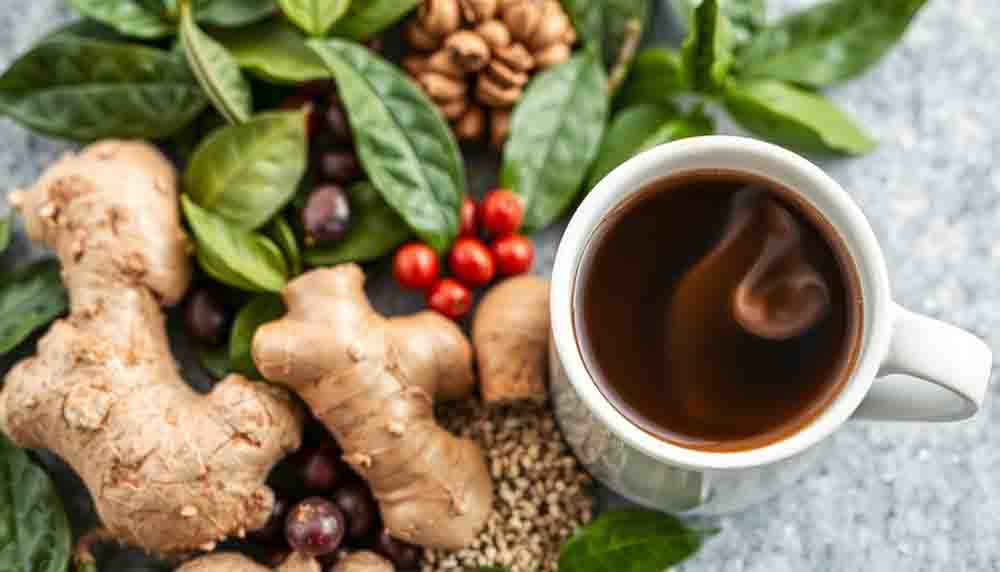
Caffeine, a prevalent stimulant found in beverages like coffee and green tea, plays a pivotal role in weight management. This natural compound can boost calorie burning, enhance fat breakdown, and even suppress appetite. Here's how it can benefit your weight loss efforts:
- Increased Metabolism: Caffeine has been linked to an uptick in metabolic rate, helping your body burn more calories throughout the day.
- Enhanced Fat Oxidation: Caffeine can amplify the fat-burning process, assisting in your weight reduction goals.
- Appetite Suppression: Consuming caffeine before meals can curb your hunger, making it easier to control food intake.
- Delayed Gastric Emptying: Caffeine may slow down the emptying of your stomach, potentially aiding in portion control.
However, moderation is key, as excessive caffeine intake can lead to adverse effects like high blood pressure.
Consult your healthcare provider to determine the ideal caffeine intake for your individual needs.
Fiber-Rich Extracts for Fullness
Fiber-rich botanical extracts can also play a pivotal role in your weight management efforts.

For example, glucomannan from the Konjac root absorbs water and increases viscosity in your digestive tract, promoting feelings of fullness. Studies indicate that up to 15.1 grams of glucomannan per day can lead to modest weight reduction, especially for those struggling with obesity or diabetes.
Fenugreek, another fiber-rich herb, may enhance satiety through its soluble and insoluble fibers, although significant reductions in food intake weren't observed.
These viscous fibers can slow gastric emptying and influence hormonal signals of fullness, helping to support healthier eating patterns as part of a balanced diet.
Caralluma Fimbriata: Appetite-Curbing Effects
Caralluma fimbriata, a succulent plant native to India, is recognized for its unique ability to curb appetite and potentially support weight management.
Though it may not greatly impact overall weight or BMI, studies suggest Caralluma fimbriata can reduce waist circumference in some individuals.
Here's what you should know about this botanical extract:
- Appetite-Suppressing Abilities: Caralluma fimbriata has been shown to help reduce calorie intake in certain study participants, potentially aiding in weight loss efforts.
- Side Effects: Potential side effects include nausea, constipation, and diarrhea, especially at higher doses.
- Holistic Approach: For best results, Caralluma fimbriata may be more effective when combined with a healthy diet and regular exercise.
- Need for Further Research: More extensive human studies are still needed to fully confirm the safety and efficacy of Caralluma fimbriata for weight management.
5-HTP and Serotonin Regulation
Although 5-Hydroxytryptophan (5-HTP) is derived from the Griffonia simplicifolia plant, it's particularly important for its role as a precursor to serotonin, a neurotransmitter closely linked to mood regulation and appetite control.
Increased serotonin levels have been associated with reduced hunger and improved feelings of fullness, potentially leading to decreased food intake and supporting weight management efforts.
However, the risk of serotonin syndrome highlights the importance of consulting healthcare professionals before using 5-HTP supplements.
While some studies suggest 5-HTP can considerably reduce calorie consumption, individual responses may vary, underscoring the need for further research on its long-term safety and efficacy in diverse populations.

Frequently Asked Questions
What Is the Strongest Appetite Suppressant?
The strongest appetite suppressant appears to be Calocurb, a bitter hop extract that can reduce energy intake by up to 14.3% at high doses, especially in women.
Other potent options include 5-HTP from Griffonia simplicifolia, which boosts serotonin and curbs cravings, and green tea extract, which contains caffeine and catechins to suppress appetite and aid fat burning.
However, results may vary across individuals, so it's best to consult a healthcare professional before trying any supplements.
What Natural Herb Is an Appetite Suppressant?
Looking to curb your cravings? Certain natural herbs may be able to help.
Glucomannan from the Konjac root is one option, as it can modestly reduce weight and manage appetite when taken up to 15.1 grams daily.
Caralluma fimbriata has also shown promise in decreasing calorie intake and waist size by suppressing appetite.
However, always consult your healthcare provider before trying any new supplements.
What Plant Is a Natural Appetite Suppressant?
Caralluma Fimbriata is a natural appetite suppressant. This plant's extracts have been shown to reduce calorie intake and waist size when taken regularly.
Unlike other appetite suppressants, Caralluma Fimbriata is made from natural ingredients and has minimal side effects. You can find it in supplement form at many health food stores or online retailers.
Give it a try if you're looking for a natural way to curb your cravings and support your weight loss goals.
Does Caralluma Fimbriata Help You Lose Weight?
Does Caralluma Fimbriata Help You Lose Weight?
While Caralluma fimbriata can't single-handedly melt away the pounds, research suggests it may help you manage your weight.
This botanical extract has been shown to reduce calorie intake and waist size, indicating its potential to curb cravings and control portion sizes.
However, combining Caralluma with a healthy diet and exercise is key for best weight-loss results.
Just be mindful of potential side effects like nausea or digestive issues.
Conclusion
Botanical extracts can curb your cravings and support weight loss through various mechanisms. They influence appetite-regulating hormones, impair glucose absorption, and promote feelings of fullness. While these natural remedies may have benefits, it's essential to consult your healthcare provider before using them, as some can interact with medications or have side effects. Incorporating these extracts into a balanced, calorie-conscious diet and active lifestyle is the key to sustainable weight management.