Dietary Strategies for Healthy Blood Sugar Levels

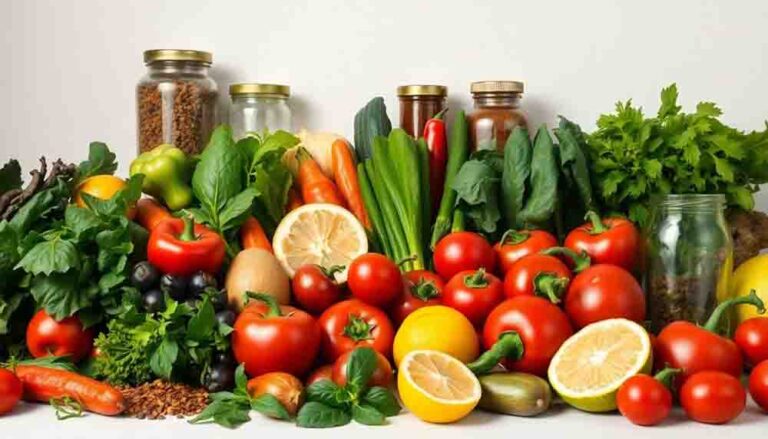
Healthy blood sugar levels are key to your well-being. The good news is there are diet strategies to help you achieve them. Nutrient-dense whole foods are a great start. But, a balance of carbs, proteins, and fiber is key to stable glucose levels. Low-glycemic index foods and good fats will help you. You'll feel fuller and your insulin sensitivity will improve. The real secret is to create a personalized approach. It must align with your unique needs and lifestyle.
Key Takeaways
- Focus on nutrient-dense whole foods, including leafy greens, whole grains, and lean proteins, to provide essential nutrients and fiber for stable blood sugar levels.
- Prioritize low-glycemic index foods, such as legumes and whole grains, to promote gradual glucose rise and reduce diabetes-related complications.
- Incorporate healthy fats (e.g., avocados, nuts, olive oil) to enhance satiety and balance macronutrient ratios for improved glycemic control.
- Employ effective meal planning strategies, like the plate method, to ensure a balance of non-starchy vegetables, lean proteins, and healthy carbohydrates.
- Engage in regular physical activity, stay hydrated, and aim for quality sleep to support overall blood sugar management and well-being.

Prioritizing Nutrient-Dense Whole Foods
Prioritizing nutrient-dense whole foods is a key strategy for maintaining healthy blood sugar levels. Leafy greens, whole grains, and lean proteins provide essential nutrients while preventing blood sugar spikes.
Fiber-rich foods like legumes and whole-grain products slow digestion, resulting in a gradual rise in glucose. Incorporating healthy fats from avocados, nuts, and olive oil can enhance satiety and balance meals, reducing the likelihood of blood sugar fluctuations.
Choosing low-glycemic index foods that digest more slowly can contribute to improved glycemic control throughout the day. Prioritizing nutrient-dense whole foods strengthens overall health and reduces the risk of diabetes-related complications.

Balancing Macronutrients: Carbs, Protein, and Fiber
Though balancing macronutrients is essential for managing blood sugar, you don't need to overcomplicate it. The key is to focus on the basics:
- Aim for 45-55% of your daily calories from carbohydrates, emphasizing whole grains, fruits, and veggies.
- Pair carbs with equal portions of lean protein to help stabilize blood sugar.
- Boost your fiber intake to 25g for women and 35g for men to slow carb digestion.
Understanding Net Carbs and Their Impact
What exactly are net carbs, and why do they matter when it comes to managing your blood sugar levels?
Net carbs refer to the amount of carbohydrates that can actually raise your blood sugar, calculated by subtracting dietary fiber from total carbs. This is essential for diabetics, as high-net-carb foods can cause spikes similar to sugary items.
Foods high in fiber tend to have lower net carbs, helping slow digestion and absorption of sugar. Balancing high-starch foods with protein sources can also mitigate their blood sugar impact.
Tracking net carbs is key to maintaining healthy insulin sensitivity and stable blood sugar levels throughout the day.

Incorporating Beneficial Fats and Lean Proteins
One of the key strategies for maintaining healthy blood sugar levels is incorporating beneficial fats and lean proteins into your meals and snacks. Lean proteins like chicken, turkey, tofu, and legumes provide steady energy without spiking your blood sugar.
Healthy fats from avocados, nuts, seeds, and olive oil can improve insulin sensitivity and support cardiovascular health.
- Combining protein and carbohydrates slows down digestion, leading to gradual blood sugar increases rather than sharp spikes.
- Omega-3 rich foods like salmon and mackerel may lower the risk of diabetes-related heart complications.
- Aim for a balanced plate with one-quarter lean protein, one-quarter healthy fats, and one-half non-starchy veggies to optimize blood sugar management.
Meal Planning Strategies for Blood Sugar Stability
Meal planning is essential for maintaining stable blood sugar levels. By following the plate method, you can easily balance your meals with half non-sterry vegetables, a quarter lean protein, and a quarter healthy carbs. Accurately counting carbohydrates, including subtracting fiber, helps with effective meal planning and blood sugar management.
Plan meals and snacks at regular intervals to prevent blood sugar spikes. Incorporate low-glycemic index foods like legumes and whole grains to sustain energy levels. Track your meals and snacks to identify patterns and make adjustments. Use this helpful table to guide your meal planning strategies:
| Meal Planning Strategies | Benefits |
|---|---|
| Plate Method | Balanced portions |
| Count Net Carbs | Effective planning |
| Timed Meals/Snacks | Stable blood sugar |
| Low-GI Foods | Sustained energy |
| Food Journaling | Identify patterns |
Embracing the Power of Non-Starchy Vegetables
Non-starchy vegetables like leafy greens, peppers, and broccoli are low in calories and carbs, making them ideal for managing blood sugar.
They're rich in fiber, which helps slow carb digestion and regulate glucose levels.
Aim to fill half your plate with these nutritional powerhouses to optimize your health and exceed your daily fiber goals.
Nutrient-Dense Powerhouses
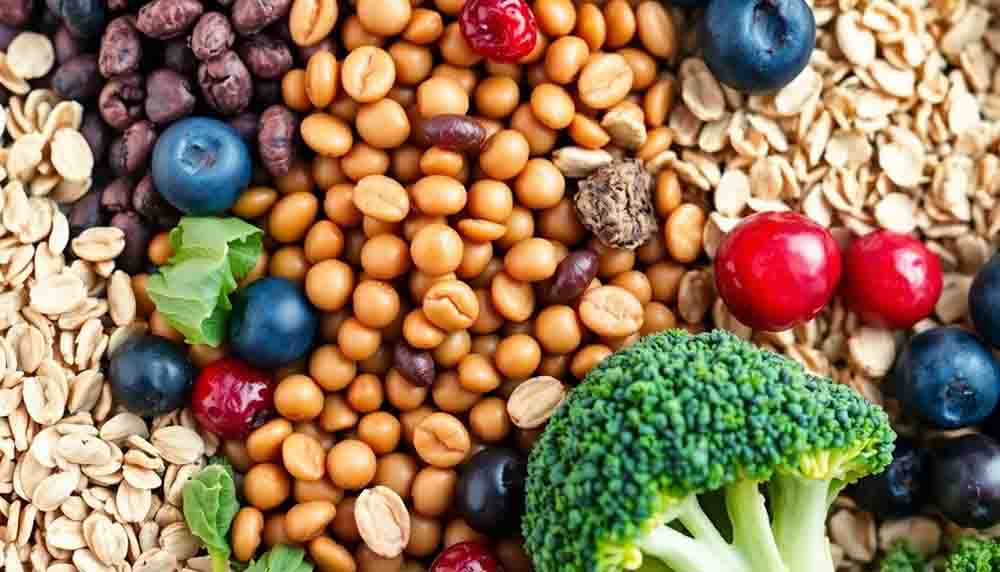
Although non-starchy vegetables are often overlooked, they're true nutrient-dense powerhouses that can greatly impact your blood sugar management. Packed with essential vitamins, minerals, and antioxidants, these healthy foods are low in calories yet high in fiber, which slows digestion and promotes gradual glucose absorption.
By incorporating a variety of non-starchy veggies into your meals, you can support weight management and maintain stable blood sugar levels. Some top choices include:
- Spinach and kale – rich in nutrients and low in carbs
- Broccoli and peppers – high in fiber and antioxidants
- Cauliflower and zucchini – versatile and easy to prepare
Prioritize these nutrient-dense powerhouses for ideal blood sugar control and overall health.
Exceeding Daily Fiber Goals
Since you're aiming to exceed your daily fiber goals, embracing the power of non-starchy vegetables is a surefire way to achieve this.
These nutrient-dense powerhouses are low in calories and carbs yet rich in essential vitamins and minerals – perfect for boosting your fiber intake.
By incorporating a variety of non-starchy veggies like leafy greens, peppers, and broccoli, you can reach the recommended 25g for women and 35g for men per day.
The soluble fiber in these foods can even improve your insulin sensitivity, helping manage high blood sugar and potentially reducing the need for diabetes medication.
Plus, the fullness factor of non-starchy veggies may support your weight management efforts, further enhancing your diabetes control.
Harnessing the Benefits of Soluble Fiber
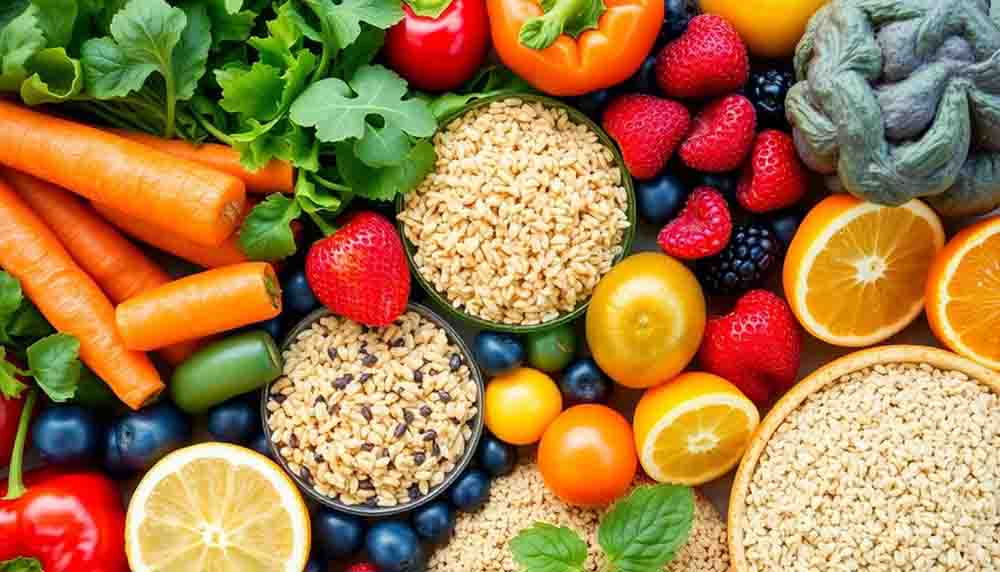
Incorporating more soluble fiber into your diet can enhance your insulin sensitivity, allowing for more gradual sugar absorption and reducing your risk of diabetes complications.
Foods rich in soluble fiber, like oats, beans, fruits, and veggies, can help manage your blood sugar levels by slowing digestion and promoting a feeling of fullness.
Making small changes to boost your soluble fiber intake can lead to big benefits for your overall health and glucose regulation.
Improved Insulin Sensitivity
One effective way to improve insulin sensitivity and manage blood sugar levels is by harnessing the benefits of soluble fiber. This type of fiber, found in foods like oats, beans, and citrus fruits, can slow digestion and enhance your body's response to insulin.
As a result, you may require less insulin to effectively control your blood glucose levels. Incorporating soluble fiber into your meals can provide several advantages:
- Improved glycemic control for better overall blood sugar management
- Reduced LDL cholesterol levels, which is vital for heart health
- Enhanced digestive function and overall well-being
Gradual Sugar Absorption
When you consume soluble fiber, it can help slow the digestion and absorption of carbohydrates, leading to a more gradual rise in your blood sugar levels.

Foods rich in soluble fiber, like beans, oats, and fruits, can contribute to an average daily intake of 25-35 grams, which is crucial for effective blood sugar management.
By incorporating these healthy foods into your meals, such as adding chia seeds to your yogurt or including lentils in your soup, you can enhance the nutrient density of your diet while promoting balanced blood sugar levels.
Harnessing the benefits of soluble fiber can improve your insulin sensitivity and potentially reduce the need for diabetes medication.
Reduced Diabetes Complications
While managing diabetes can be complex, harnessing the benefits of soluble fiber can help reduce your risk of developing serious complications. Soluble fiber found in foods like beans, oats, and fruits slows the absorption of carbohydrates, leading to more stable blood sugar levels.
- Diets high in soluble fiber have been linked to a lower risk of cardiovascular disease, a common diabetes complication.
- Soluble fiber can also improve insulin sensitivity, potentially reducing your need for diabetes medications.
- Incorporating soluble fiber into your meals can enhance feelings of fullness, helping you manage your weight and further improve blood sugar control.
Prioritizing high-fiber, healthy foods is a simple yet powerful strategy for managing diabetes and preventing related complications.
Utilizing the Glycemic Index for Food Choices
Why not utilize the Glycemic Index (GI) as a guiding principle for your food choices? The GI ranks carbs on a 0-100 scale based on how they affect blood sugar.
Low GI foods like legumes and whole grains cause a gradual rise, making them ideal for diabetes management. In contrast, high GI items like white bread can lead to rapid spikes.
Pairing high GI foods with protein or healthy fats can lower the glycemic response. Incorporating more low GI options into your meals can help stabilize blood sugar levels and reduce insulin resistance risk.
The GI is a simple yet powerful tool for making diabetes-friendly food selections.
Lifestyle Habits and Exercise for Blood Sugar Management
How can lifestyle habits and exercise contribute to better blood sugar management? Regular physical activity enhances insulin sensitivity, allowing your muscles to utilize blood sugar for energy effectively.
Even short 10-minute sessions can help you achieve your daily exercise goals. Engaging in “exercise snacks” every 30 minutes can also combat the negative effects of prolonged sitting, vital for maintaining healthy blood sugar levels.
Activities like walking, biking, dancing, and swimming are especially beneficial, with guidelines recommending at least 150 minutes of moderate aerobic activity per week.
Additionally, staying hydrated and aiming for 7-9 hours of quality sleep nightly can support ideal glucose regulation.
- Regular physical activity enhances insulin sensitivity
- “Exercise snacks” every 30 minutes combat prolonged sitting
- 150 minutes of moderate aerobic activity per week is recommended

Frequently Asked Questions
What Is the Best Diet to Maintain Blood Sugar Levels?
To maintain healthy blood sugar levels, aim for a balanced diet with 45-55% carbohydrates, mainly from whole grains, veggies, and fruits.
Prioritize protein-rich foods like lean meats, fish, and legumes. Incorporate high-fiber options, such as fruits, vegetables, and whole grains, to slow digestion and prevent blood sugar spikes.
Stay hydrated by drinking water instead of sugary beverages.
What Helps Maintain Healthy Blood Sugar Levels?
To maintain healthy blood sugar levels, you should focus on a balanced diet, regular exercise, and staying hydrated.
Eat carbs from whole grains, fruits, and veggies, and include high-fiber foods like legumes and oats.
Physical activity enhances insulin sensitivity, and the plate method can help you build balanced meals.
Don't forget to drink plenty of water to support your kidneys in flushing out excess sugar.
What Is the Dietary Advice for Sugar?
Dietary Advice for Sugar: To maintain healthy blood sugar, limit added sugars to under 10% of your daily calories.
Opt for naturally sweet whole foods like fruits, which contain fiber to slow sugar absorption.
Choose low-glycemic index foods that won't spike your blood sugar.
Read labels carefully to track hidden sugars, and focus on whole, unprocessed foods to reduce your overall sugar intake.
What Would Be the Best Diet Strategy in Diabetes?
The best diet strategy for diabetes focuses on balancing healthy carbohydrates, protein, and fiber. Aim for 45-55% of your daily calories from whole grains, fruits, and veggies.
Include lean proteins like fish and tofu to stabilize blood sugar. Eat high-fiber foods to slow digestion.
Divide your plate into half veggies, a quarter protein, and a quarter carbs. Work with a registered dietitian to create a personalized meal plan that works for you.

Conclusion
Your blood sugar is the key to unblocking vibrant health. Nourish your body with nature's medicine – wholesome foods brimming with fiber, protein, and healthy fats. When you cultivate this delicate balance, your blood sugar becomes your ally, empowering you to thrive. Embrace this transformative journey, and let your well-being flourish like a lush garden in springtime.