
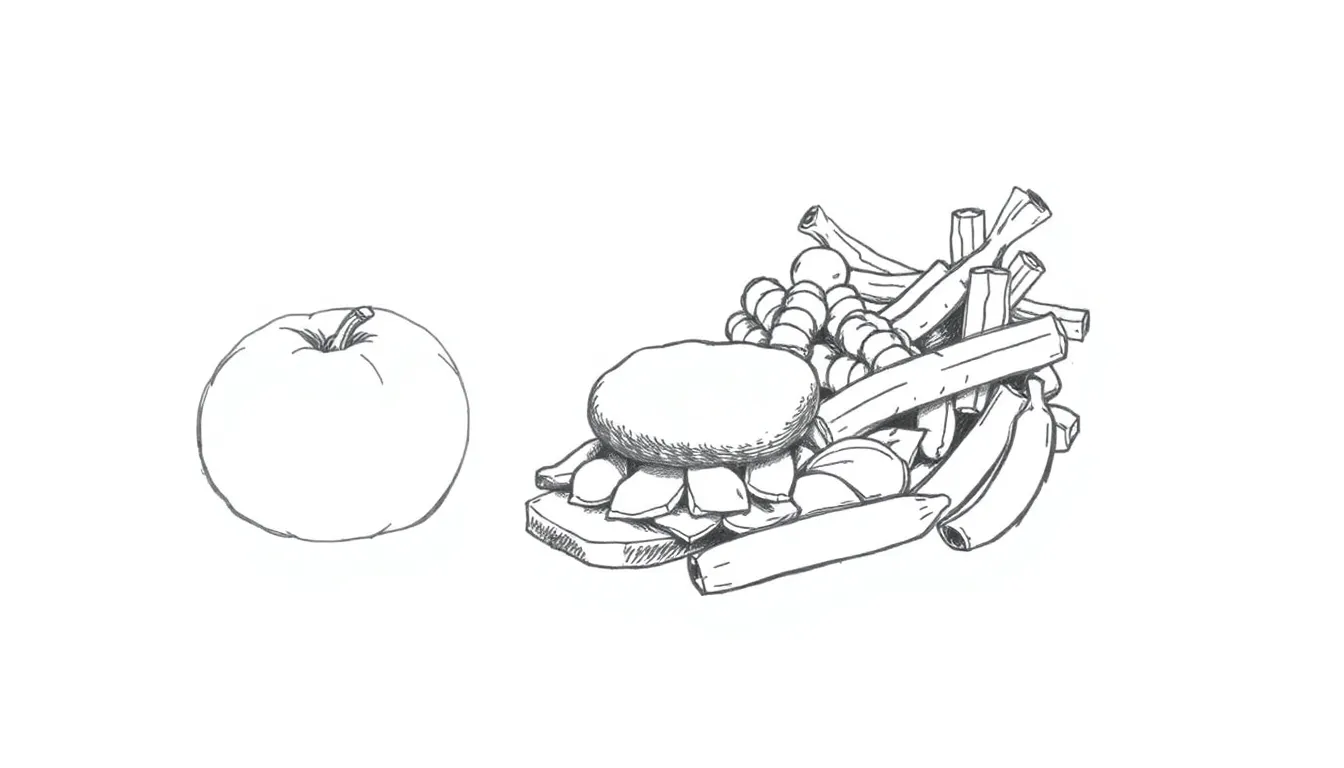
Cut Ultra-Processed Foods to Reduce Type 2 Diabetes Risk

The Ultra-Processed Food Problem
A concerning trend has emerged in modern nutrition: approximately 60% of daily caloric intake for North Americans comes from ultra-processed foods. These convenience items, which dominate grocery shelves and fast-food menus, are engineered products containing numerous industrial ingredients rarely found in home kitchens. Examples include sugary beverages, ready-to-eat meals, savory snacks, and even certain plant-based alternatives. Their appeal is undeniable—they're cheap, convenient, widely accessible, and heavily marketed. However, mounting scientific evidence suggests this dietary pattern carries significant health consequences. Researchers at University College London have now added substantial evidence linking high consumption of these foods to an increased risk of developing type 2 diabetes. The study, which followed nearly 312,000 people across eight European countries for an average of 10.9 years, provides compelling data showing the direct relationship between ultra-processed food consumption and diabetes development. With approximately 14,000 participants developing type 2 diabetes during the study period, the findings underscore the urgent need for dietary awareness and change among populations worldwide.
Study Reveals Significant Risk Increase
The research findings were striking: for every 10% increase in ultra-processed foods within a person's diet, there was a corresponding 17% higher risk of developing type 2 diabetes. This substantial correlation demonstrates that even modest increases in processed food consumption can meaningfully impact diabetes risk. The study's lead researcher, Samuel Dicken from University College London's Centre for Obesity Research, emphasizes that ultra-processed items are identifiable by their extensive ingredient lists, colorful branding, and often misleading health claims such as ‘low in fat' or ‘high in fiber.' What distinguishes this research from previous investigations is its comprehensive analysis. Rather than simply confirming risk associations, the team examined how different food processing categories affect health outcomes and whether substituting ultra-processed items with minimally processed alternatives could reduce diabetes risk. This multifaceted approach provides more practical, actionable guidance for consumers. The results vindicated this thorough methodology: replacing 10% of ultra-processed foods with 10% of less processed alternatives was associated with measurably lower type 2 diabetes rates among study participants. This breakthrough suggests that dietary modifications, even partial ones, can effectively protect against diabetes development.
Practical Dietary Changes for Better Health
The implications of this research extend beyond academic interest into practical daily life. Experts recommend transitioning to a less processed diet as a foundational strategy for diabetes prevention. This doesn't necessarily require complete dietary overhaul—instead, strategic substitutions can yield meaningful health benefits. Focusing on minimally processed foods, whole grains, fresh produce, and natural proteins creates a sustainable approach to better nutrition. Dicken advises that avoiding sugary drinks and savory snacks represents particularly important modifications, as these ultra-processed staples contribute significantly to diabetes risk. Standard healthy eating guidelines like the UK's Eatwell Guide and the US MyPlate framework remain valuable references for balanced nutrition. For those interested in comprehensive health management, incorporating a fitness platform offering a full-body workout routine can complement dietary improvements, creating synergistic effects on metabolic health. Nutrition experts like board-certified endocrinologist Noa Tal acknowledge that understanding food processing categories empowers consumers to make informed choices. The transition needn't be dramatic or expensive—simply reading ingredient labels, choosing whole foods over packaged alternatives, and preparing meals at home whenever possible can substantially reduce ultra-processed food intake. These manageable changes represent powerful prevention tools against type 2 diabetes.
Source: Type 2 diabetes: Replacing ultra-processed foods may slash risk